Beyond Unit Price: How B2B Buyers Should Compare LED Lighting Quotations
Two LED lighting quotations can show similar lamps and still cover different purchases. Before ranking suppliers by unit price, align the selling unit, product version, accessories, packaging and delivery basis. This guide helps importers, parts distributors, vehicle builders and workshop suppliers compare LED lighting quotations after the offers arrive.
The practical question: What will our customer receive, install and reorder for the quoted amount?
1. Start with the selling unit
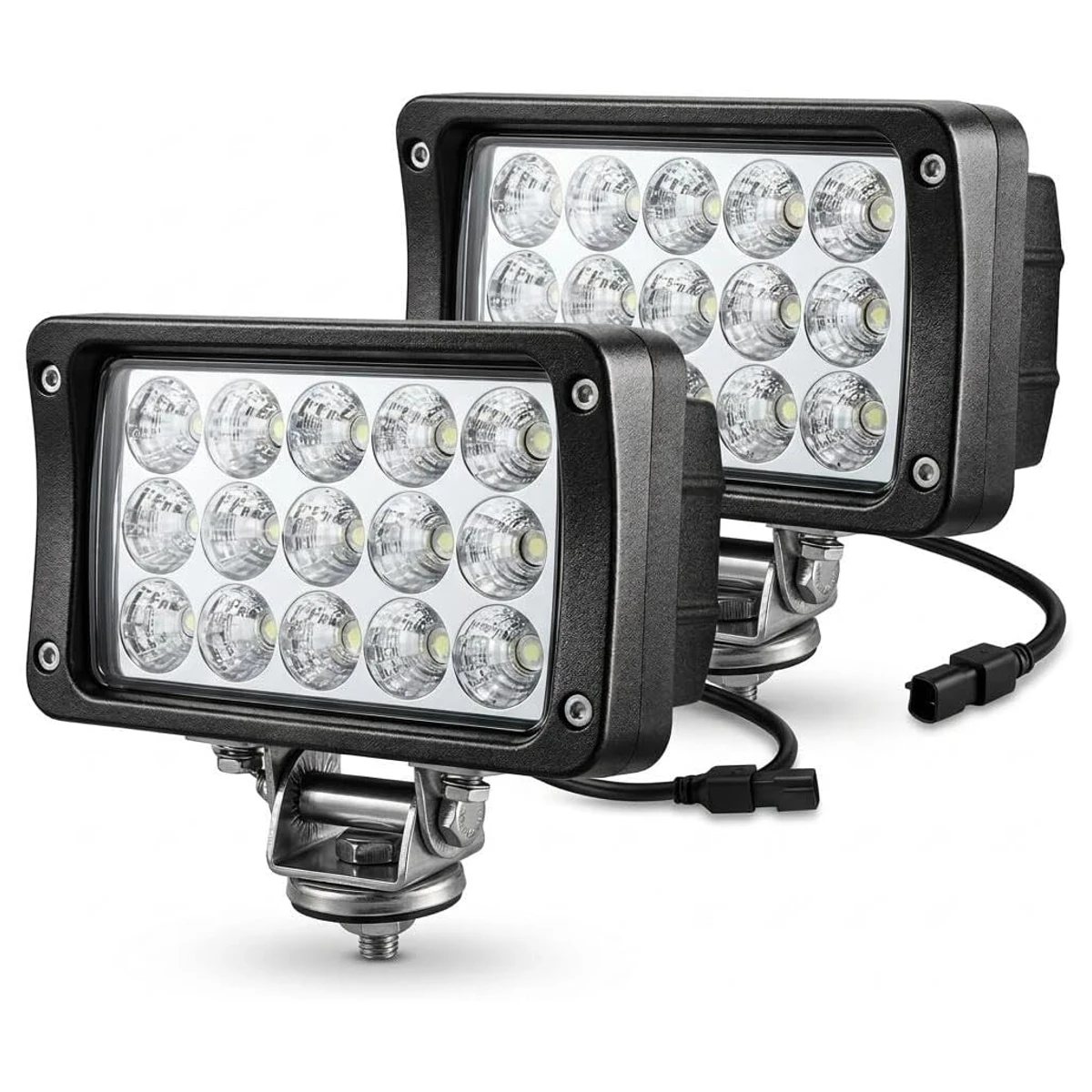
Does “unit” mean one lamp, a left-and-right pair, a complete installation kit or a carton? A photograph containing two lights does not settle this question. Ask the supplier to state the quantity of lamps per selling unit and the number of selling units per carton.
For a trailer repair range, record whether left and right versions are priced separately. For work lights, distinguish a single replacement lamp from a pair with shared wiring. Convert offers to the same required quantity before comparing totals. Keep sample quantities separate from the planned production order.
2. Separate the lamp from the supply package
List every component needed for your intended installation: mounting bracket, screws, rubber grommet, pigtail, mating connector, cable or harness. Mark each item as included, separately quoted or awaiting confirmation. “With connector” should identify which connector half is supplied and whether its mating half is included.
Lamp in the agreed version
Bracket? Pigtail? Mating connector?
Packaging? Confirm separately.
Lamp + listed accessories
Written quantities and specifications
+ agreed packaging
Illustrative purchasing scopes, not a statement of what any EVEREST model includes. Confirm actual contents for the selected model and quotation.
A lamp-only offer may be right for a distributor that already stocks the accessories. A defined package may suit a repair kit. Neither scope is automatically better; the useful comparison is the cost and suitability of the configuration you actually need. See our marker-light guide for mounting and pigtail checks.
3. Match the exact product version
Build one specification row per quoted variant. Record voltage, lamp functions, beam or light distribution, dimensions, mounting arrangement, cable length and connector pin layout where applicable. Similar housings do not prove interchangeability. A lower-priced variant may simply address a different application.
Ask for a dated drawing or specification sheet and link it to the supplier model and quotation revision. Where approvals or test evidence are required, check that the documents cover the exact model and intended application. A logo or a general company certificate is not enough to establish that match. Our 24V truck rear-light guide explains the vehicle, connector and mounting checks in more detail.
4. Align packaging and delivery scope
Compare individual packing, protection, labels, barcodes, carton quantities and any agreed retail or private-label requirements. Ask which costs are included and which depend on artwork approval or an order quantity. Do not assume a plain sample box represents the final production packaging.
Then compare the same delivery basis, named place, currency and quotation validity. Identify freight, insurance, import duties and taxes as applicable; do not treat an ex-factory amount and a delivered amount as equivalent. Obtain a written breakdown for costs outside the supplier’s quoted scope before estimating your own landed cost.
5. Make sample approval and timing explicit
Agree what the sample is meant to verify: installation fit, wiring, function, finish, packaging or other stated acceptance criteria. Record differences between the sample and the production configuration. Approval should identify the model, revision and accessories rather than simply say “sample approved”.
Ask when the lead-time clock starts: order confirmation, deposit receipt, artwork approval or final specification approval. Separate production time from transport time. If a component, connector or package changes after approval, confirm the effect on price, timing and sample requirements in writing before releasing the order.
6. Use a comparison worksheet with visible open questions
Copy the following structure into your purchasing worksheet. Use Confirmed, Pending or Separately quoted for each supplier, with a reference to the relevant document. A blank cell is an unanswered question, not an included item.
| Compare | Record for each offer | Resolve before order |
|---|---|---|
| Selling unit | Lamps per unit; units per carton | Single / pair / kit / carton? |
| Product version | Model, specification and drawing revision | Same required configuration? |
| Accessories | Item names, quantities and status | Anything separately charged? |
| Documents | Required evidence and covered model | Matches application and version? |
| Packing and delivery | Pack specification; delivery basis and place | Remaining costs identified? |
| Approval and timing | Sample record; lead-time trigger | Changes agreed in writing? |
7. Turn the comparison into an order record
Keep the final quotation, accessory list, approved drawing and sample record together. Give the agreed configuration an internal purchasing reference so your sales, warehouse and service teams know what to expect. Use that reference for repeat orders, and reconfirm any proposed changes rather than relying on an old photograph.
Discuss your lighting requirements with EVEREST: send the product model or application, destination market, quantity, required accessories and the points still awaiting clarification. Browse our lighting range or contact our team to confirm specifications and request a quotation for your intended supply package.